
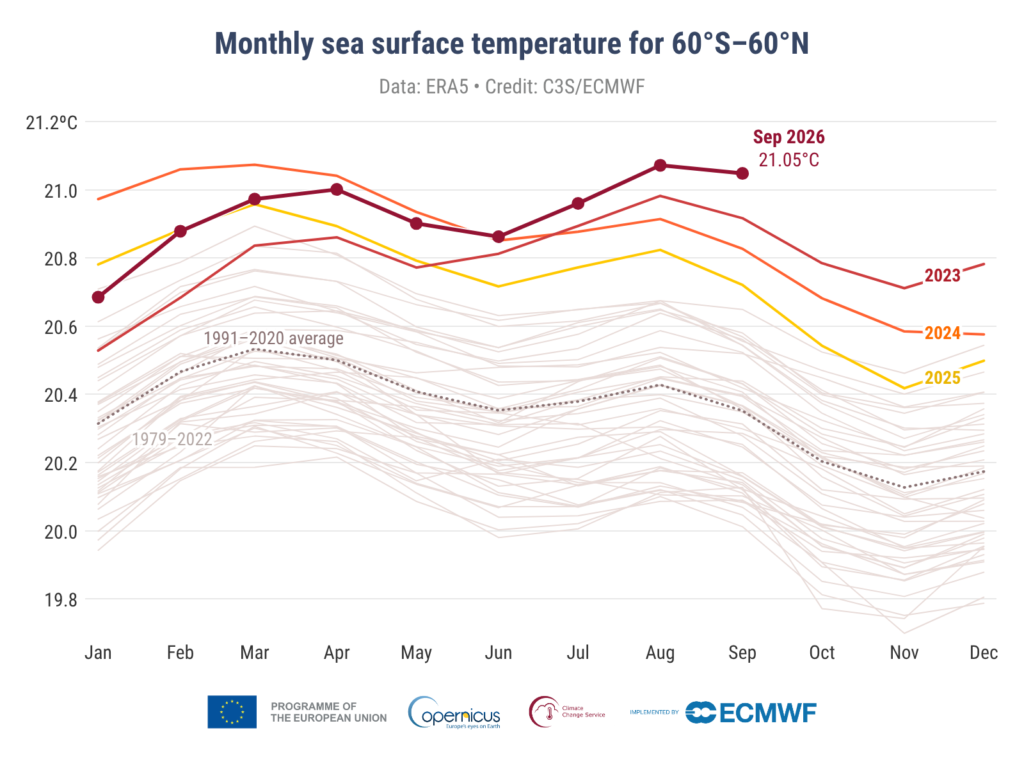
Ocean surface temperatures reach a new September high
Between 60° south and 60° north, Copernicus reports an average of 21.05°C for September 2026. The previous record for the same month was 20.92°C, set in 2023.
2 min read
CATEGORY
New possibilities that improve our ability to understand, protect and restore planetary systems.
Between 60° south and 60° north, Copernicus reports an average of 21.05°C for September 2026. The previous record for the same month was 20.92°C, set in 2023.
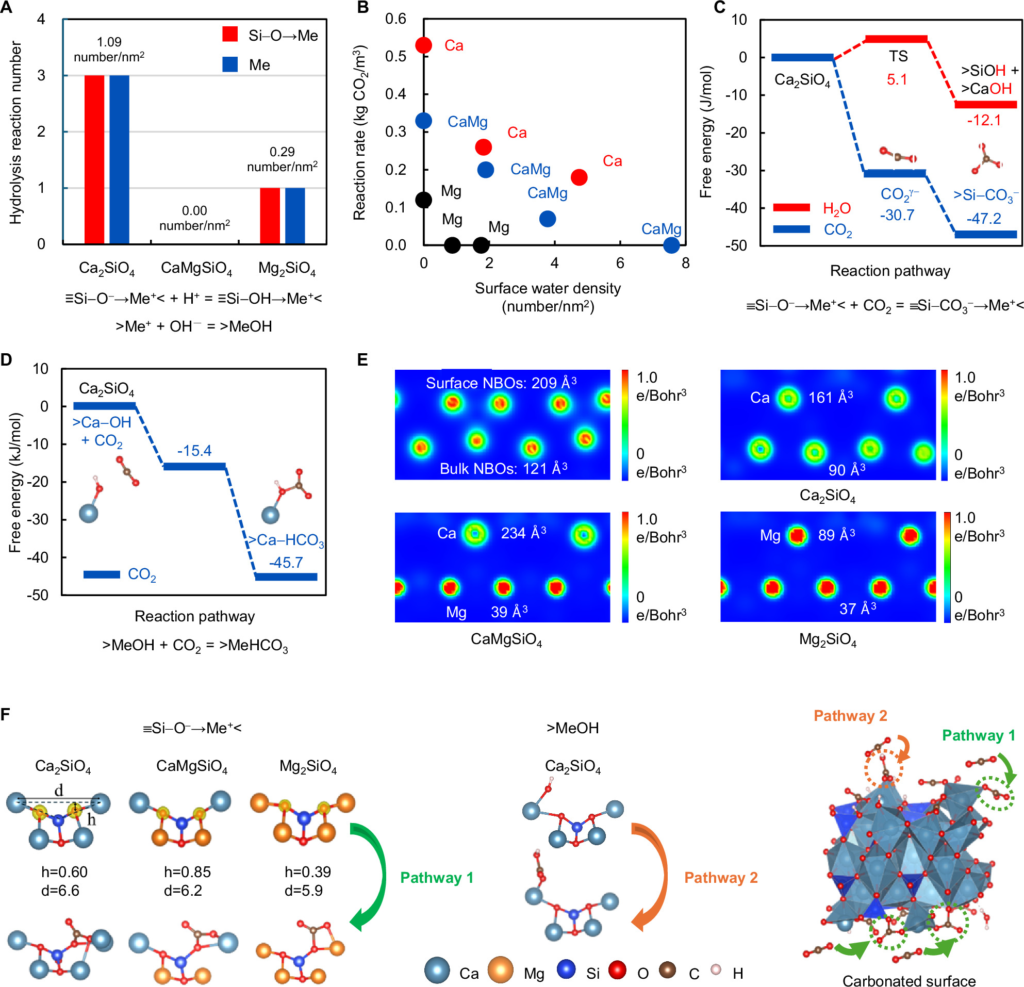
Atomic-scale modelling explains why calcium-bearing olivine can react with CO₂ far more readily than magnesium-rich forms. The calculations reproduce laboratory observations but do not demonstrate industrial carbon storage.
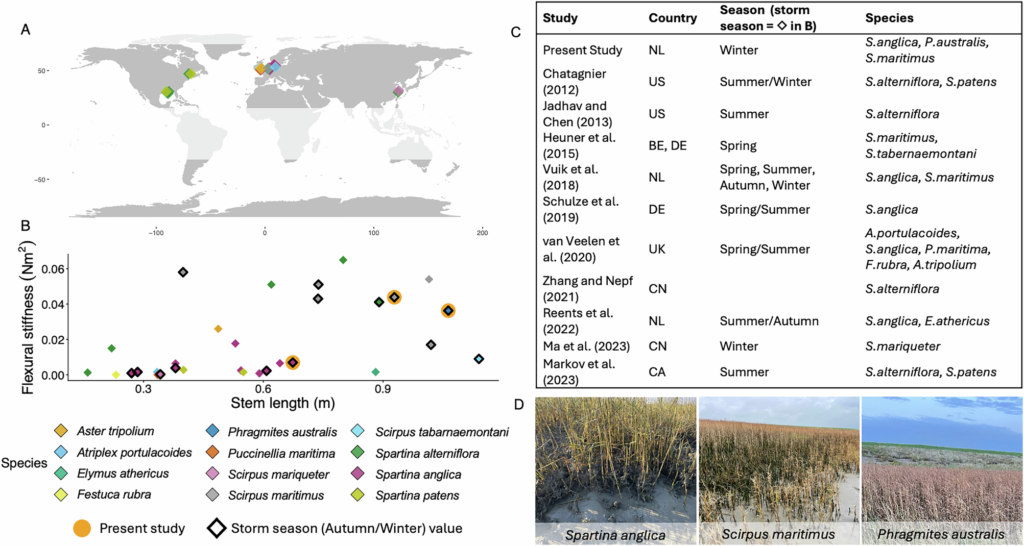
In a large experimental wave flume, waves up to two metres caused about 30% average biomass loss. Stems that bend rather than break could inform nature-based flood protection, but these are not measurements from an actual coastal storm.
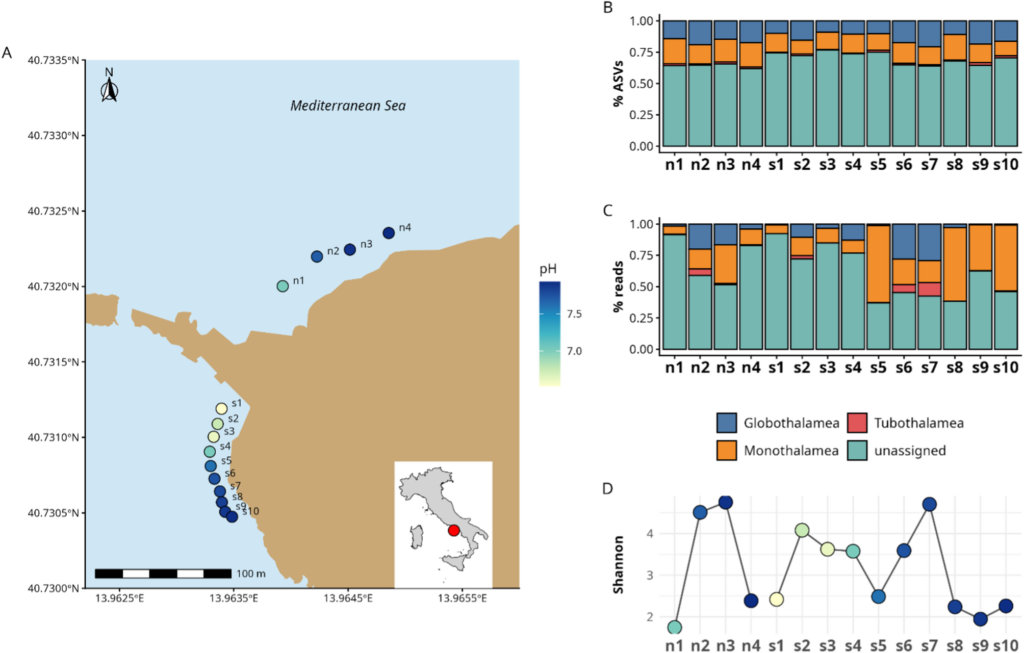
Researchers studying natural CO₂ vents found a clear change in benthic foraminiferal communities near pH 7.7. Applying the local threshold to Mediterranean climate scenarios indicates possible future risks, not observed basin-wide collapse.
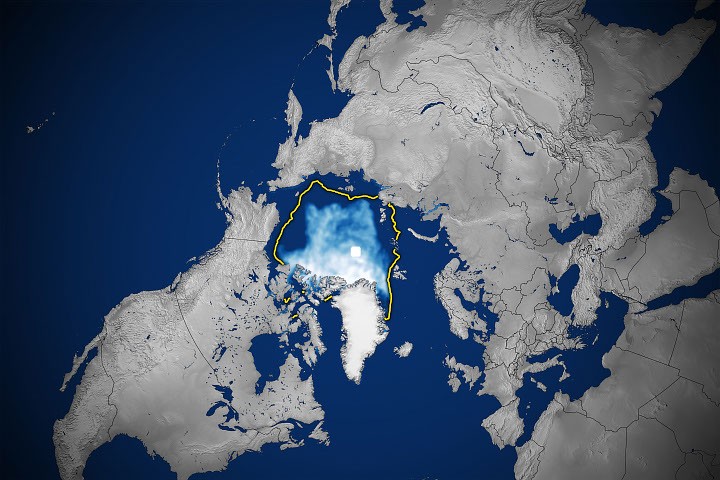
On 12 September 2026, Arctic sea ice covered about 4.60 million square kilometres, tied for the tenth-lowest summer minimum in the satellite record, according to NASA and NSIDC.
Experiments spanning more than 1,000 generations show that when phosphate is scarce, cells reduce stored phosphorus and build more membranes from lipids that do not require it.
GLAMOS measurements show a loss above 5% in 2026 and nearly 20% over five years. Some smaller glaciers have now disappeared completely.
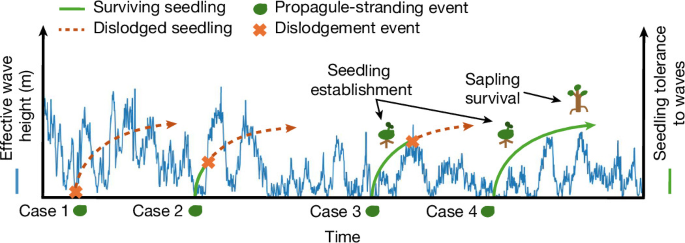
A Nature model correctly classified mangrove presence or absence at 78.2% of 394 open-coast sites: what matters is whether young plants get a long enough window of calmer water.
A modified marine bacterium increased olivine dissolution 2.6-fold. In continuous reactors with more than 4 kg of mineral, the team measured 0.50 g of CO2 removed from air per day — a pilot demonstration, not yet an industrial solution.
Across 223 satellite images from Oman, the method revealed sustained decline and faster average area loss after 2006.