
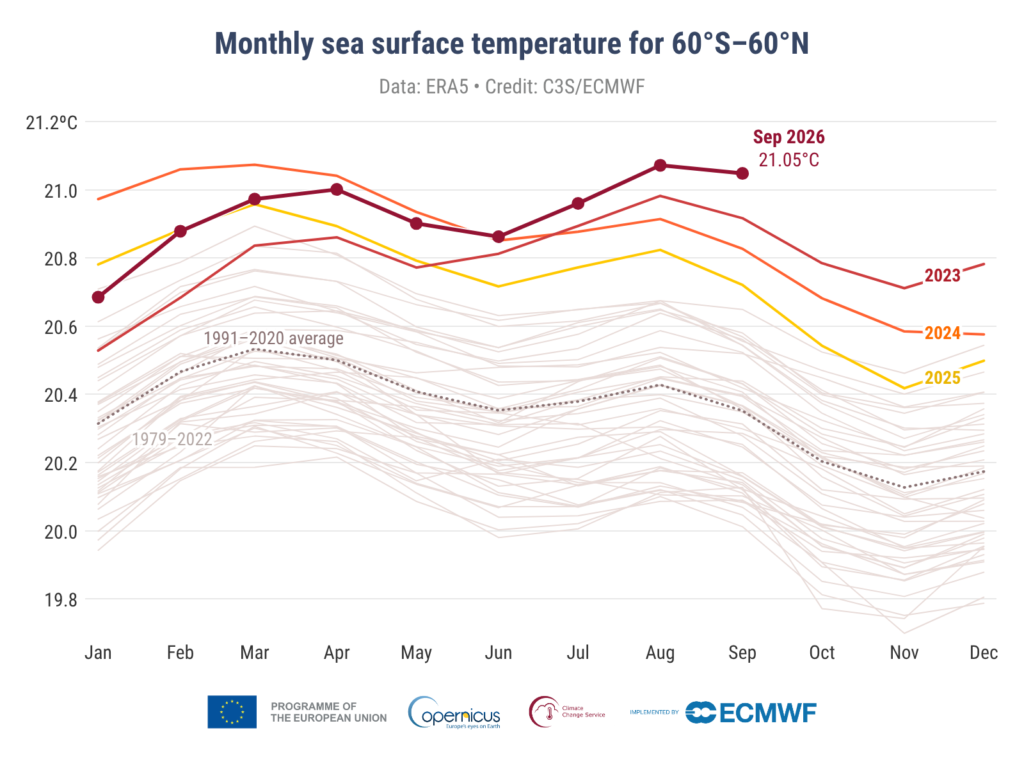
Ocean surface temperatures reach a new September high
Between 60° south and 60° north, Copernicus reports an average of 21.05°C for September 2026. The previous record for the same month was 20.92°C, set in 2023.
2 min read
EVIDENCE-LED PROGRESS JOURNALISM
Consequence first. Evidence close to the claim. Provenance easy to inspect.
Between 60° south and 60° north, Copernicus reports an average of 21.05°C for September 2026. The previous record for the same month was 20.92°C, set in 2023.
CATEGORIES
New possibilities that change what we can diagnose, treat, prevent or understand in human health.
More than 8,000 women received obesity treatment remotely. What happened after six months?SCIENCENew possibilities that change what scientists can observe, measure, discover or experimentally test.
Euclid finds a new comet in images of distant galaxiesPLANETNew possibilities that improve our ability to understand, protect and restore planetary systems.
Ocean surface temperatures reach a new September highHUMAN PROGRESSNew possibilities that materially expand what people can learn, access, use or do.
Has AI raised unemployment among new US graduates? Summer data show no unusual spikeENGINEERINGNew possibilities created by machines, autonomous systems and physical technologies that cross meaningful limits.
Researchers recovered 98% of residual lithium and made new metal electrodes from simulated battery wasteLATEST

C/2026 S1 lies roughly 1.3 billion kilometres from Earth. A recurring trail in the telescope’s images started a sequence of observations and checks.
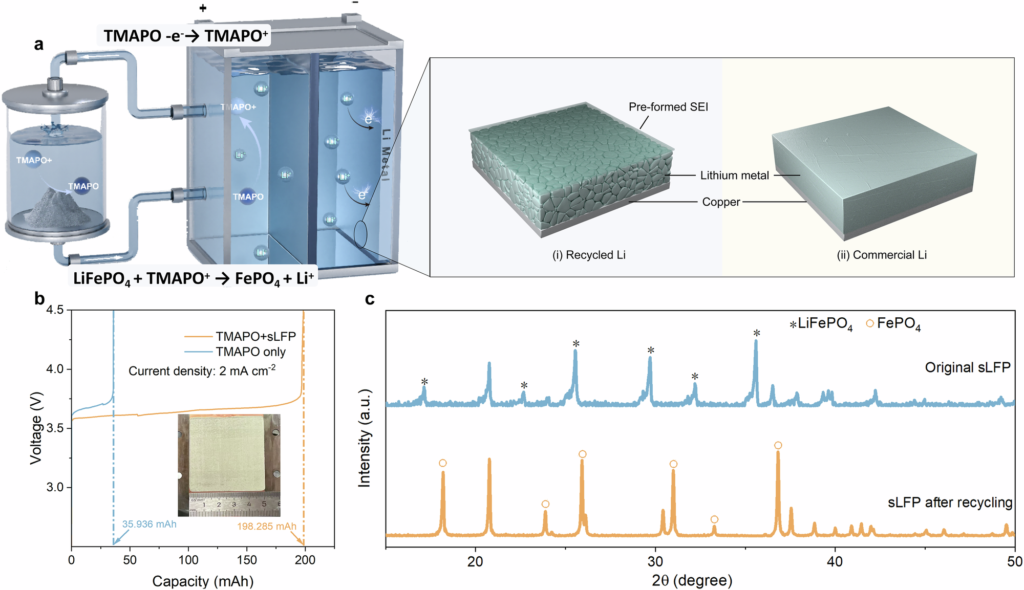
An electrochemical process extracted lithium from simulated end-of-life lithium iron phosphate powder and formed thin metal foils. Working test cells demonstrate potential, not commercial recycling at scale.
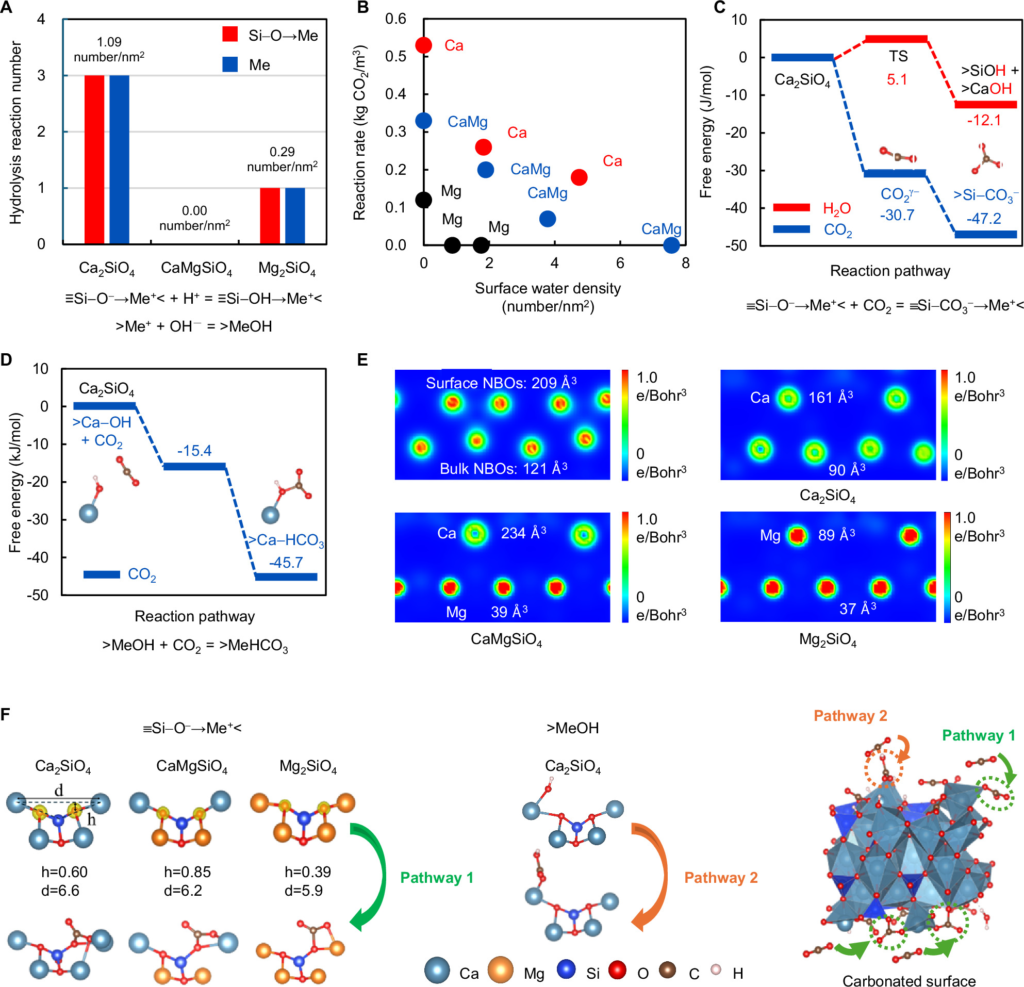
Atomic-scale modelling explains why calcium-bearing olivine can react with CO₂ far more readily than magnesium-rich forms. The calculations reproduce laboratory observations but do not demonstrate industrial carbon storage.
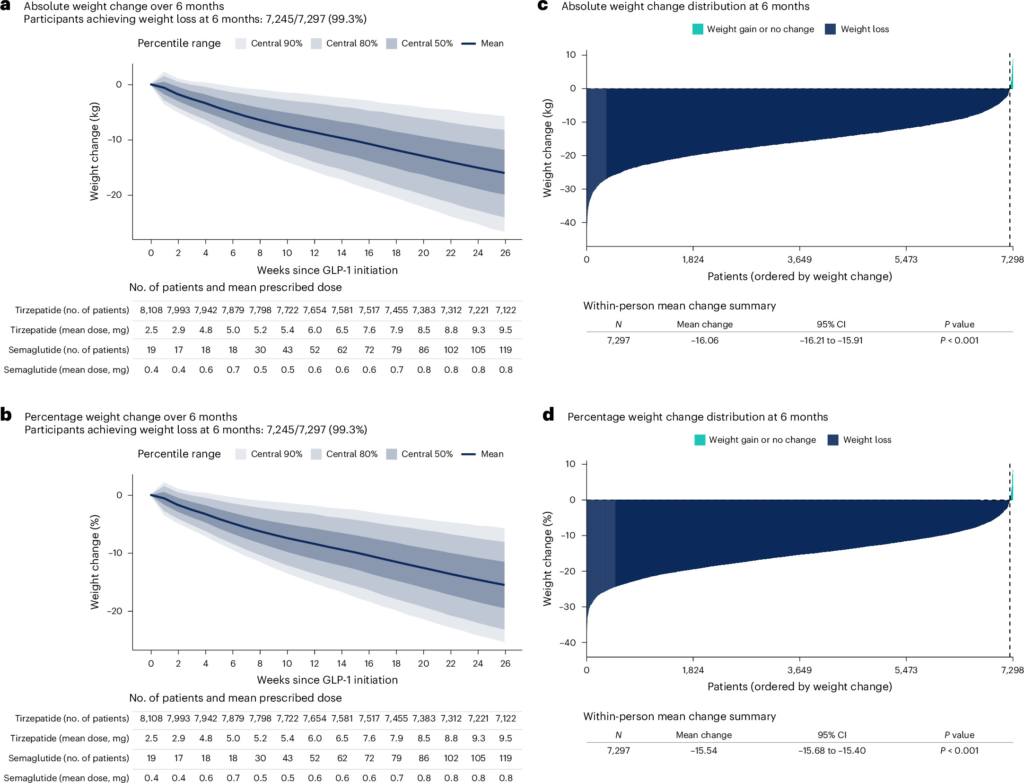
A UK program combining GLP-1 drugs with remote clinical checks reported mean weight reduction of 15.5% among women with six-month measurements. It demonstrates feasibility, not superiority over in-person care.
An iodine-sulfur electrode improved reaction rates and cycling longevity in a research cell. The results are measurable, but come from different lab protocols and do not establish the lifetime of a commercial battery pack.
Scientists synthesized a tiny copper-hydride cluster that catalyzes selected light-driven oxidations to ketones. The chemistry works on real molecules in the lab, while the hydride arrangement and industrial practicality remain uncertain.